2025
Interactions Between Taiwanese and Japanese During the Japan
Entrant Company
Art Cloud Cultural Industry Co., Ltd.
Category
Publication - Book
Client's Name
Taipei City Archives
Country / Region
Taiwan
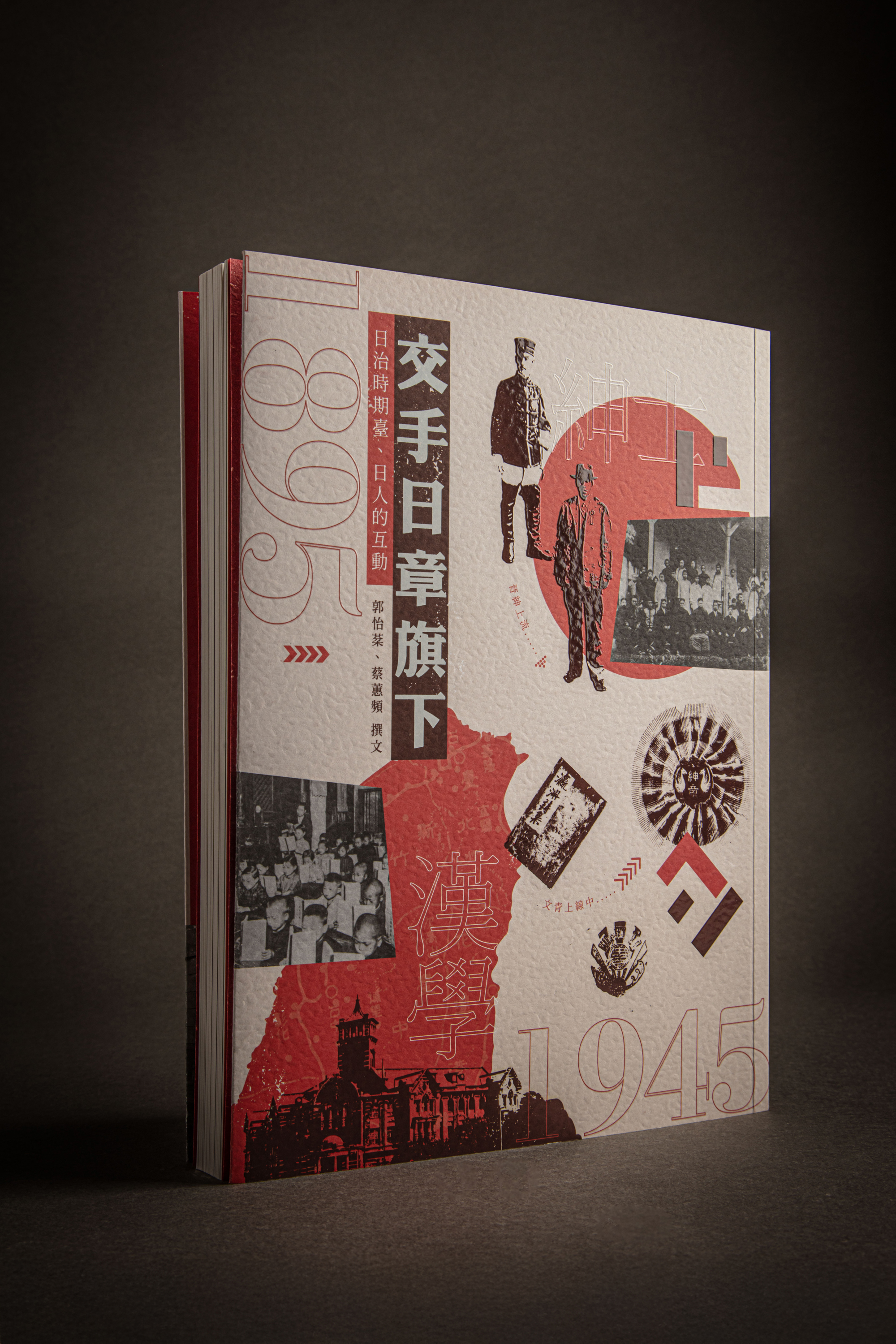
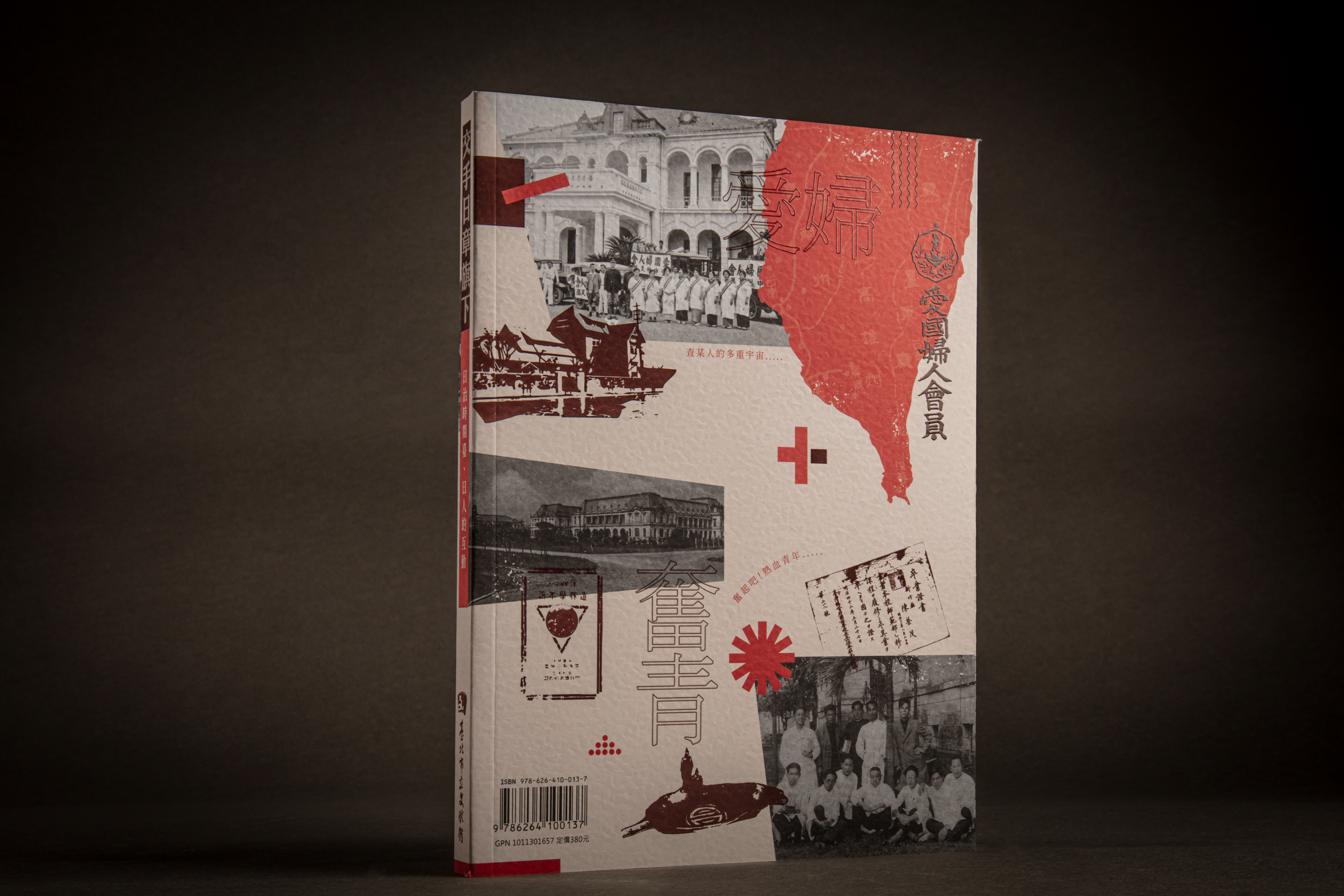
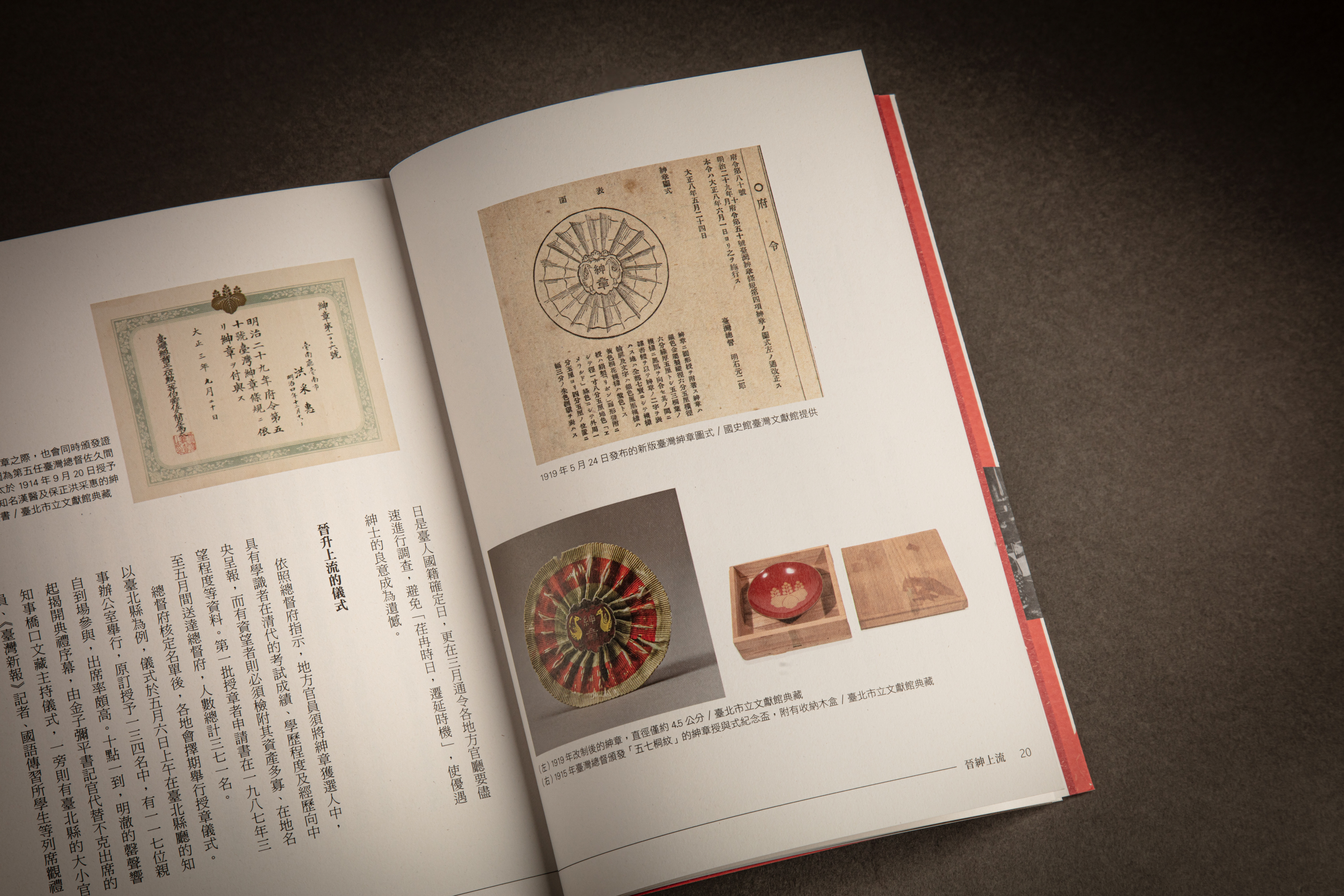
Many historical publications begin by providing readers a clear, comprehensive historical framework, then support it with artifacts and documents. This book takes the opposite approach—starting with artifacts and archival materials to piece together a series of diverse, small-scale stories that form an alternative historical perspective. It departs from conventional narratives typically associated with Taiwan under Japanese rule, instead drawing on items preserved in the Taipei City Archives: medals, certificates, literati ink paintings, diplomas, and historical photographs. These seemingly unrelated, ordinary objects subtly reveal the lives of four key social groups—gentry-merchants, Chinese literati, elite women, and the new generation. They offer a more tangible understanding of interpersonal networks between Japanese and Taiwanese people during that era. Minor events in daily life, when seen together, can compose a grand historical narrative—just as this book reveals the hidden value of these artifacts and documents.
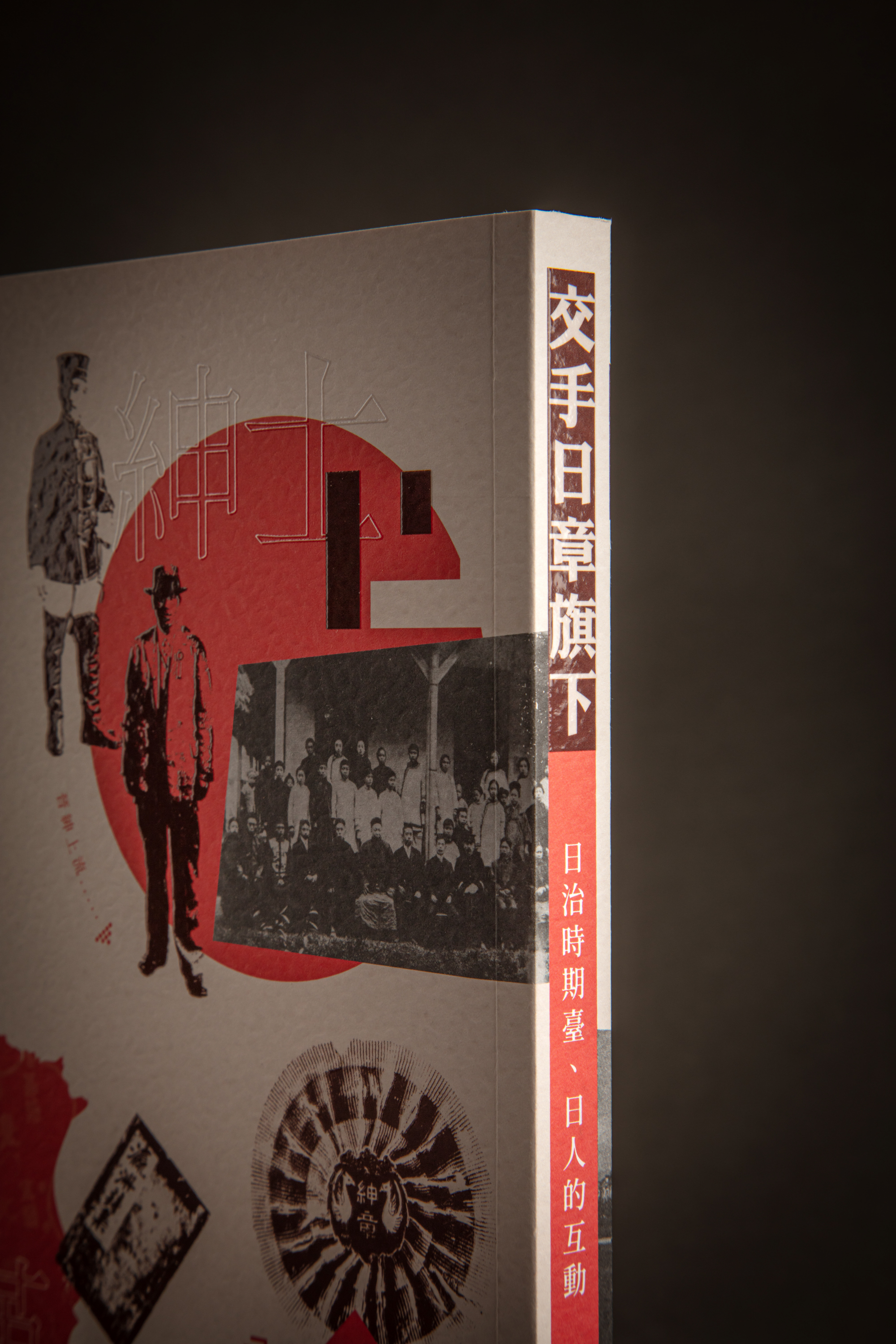
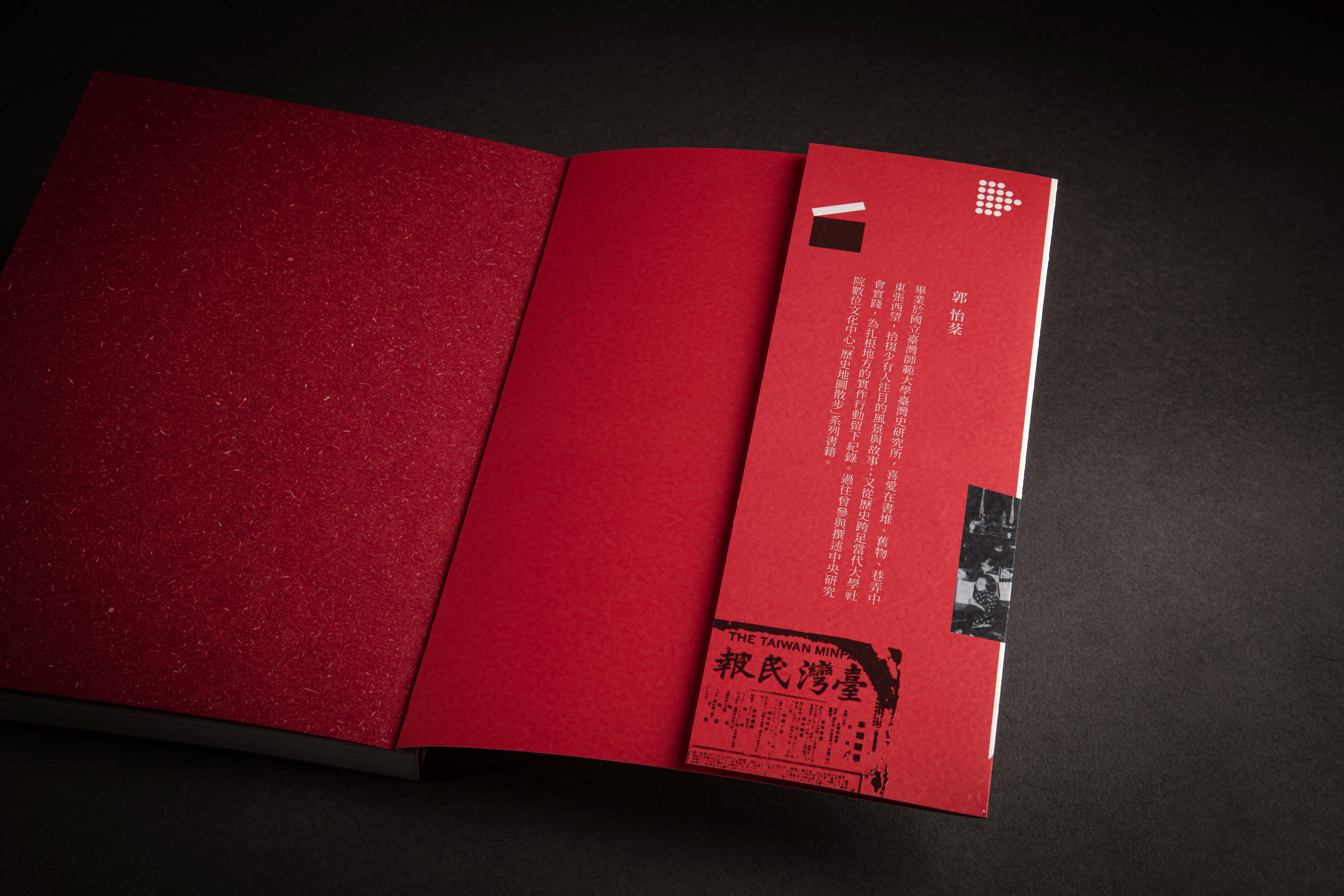
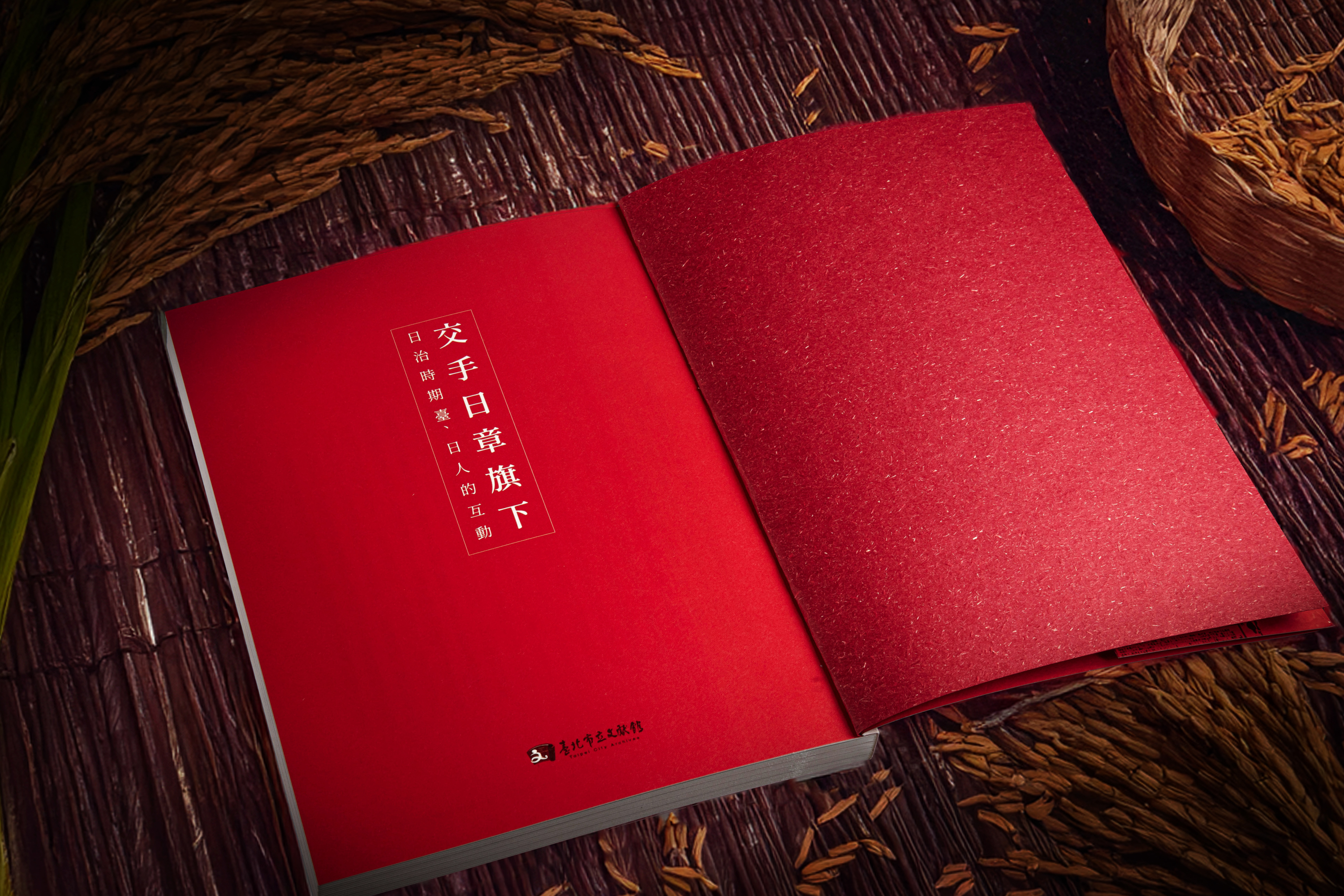
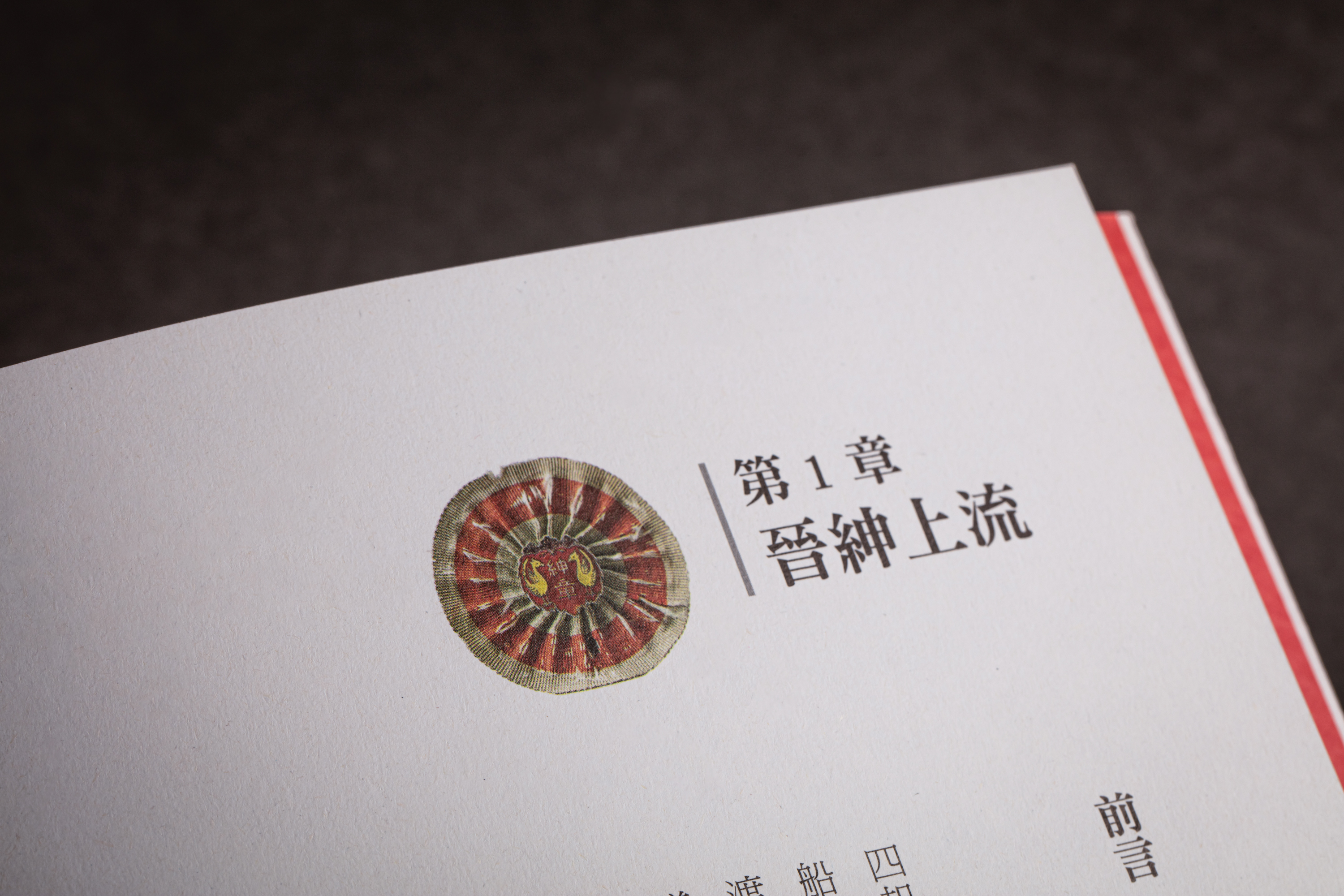
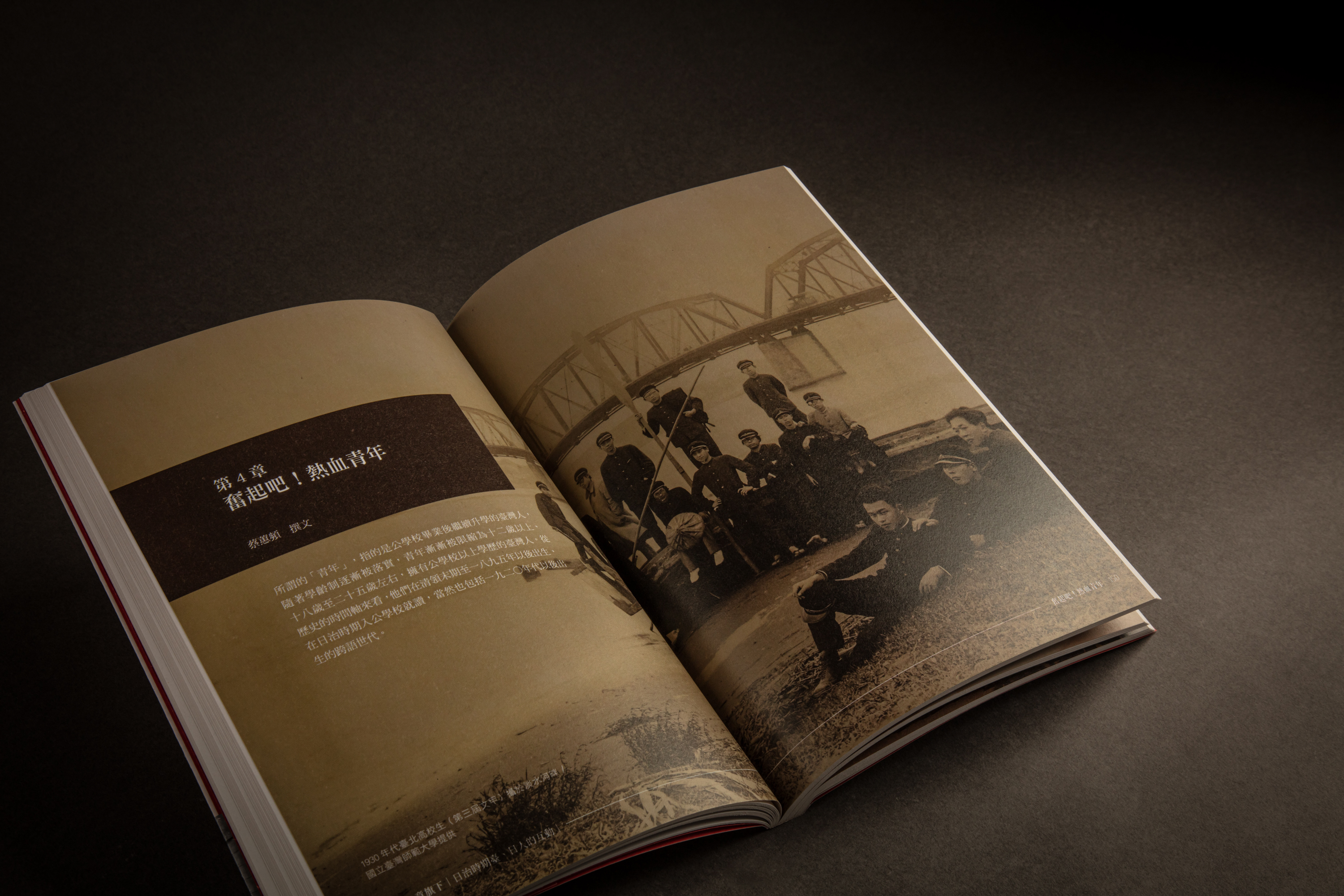
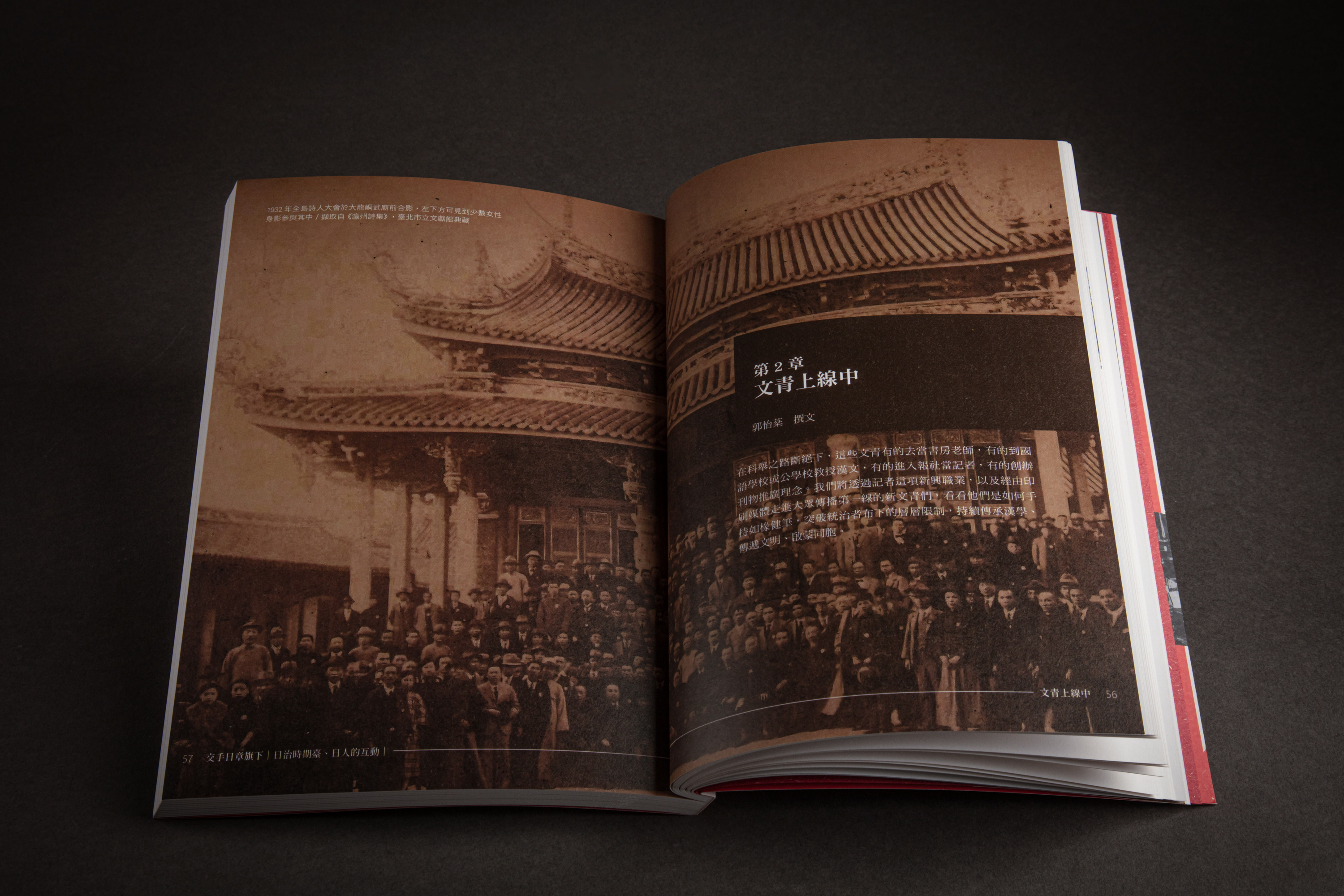
This concept shaped the book’s visual design. We aimed to evoke a nostalgic style—crafting a “history book filled with treasured memories, like a historical novel.” The cover features a collage of the book’s main subjects—artifacts and old photographs—linked through a rubbing-texture effect that adds mystery and distance. Like clues in a historical detective novel, they seem to whisper stories to the reader. The color scheme references the red-circle-on-white motif of the Japanese flag, subtly replaced with a retro vermilion to symbolize the colonial period.The endpapers use vermilion tao-sui paper, known for its grainy texture from embedded rice husks. This irregular feel echoes Taiwan’s once-thriving rice industry under Japanese rule, now faded into memory—evoking a nostalgic connection. Inside pages continue the artifact-centered narrative. Artifact images appear in the running headers; enlarged photographs span across section openings. The book maintains a nearly 1:1 image-to-text ratio, with over 80,000 words. The layout is clean and readable, with clear paragraphs and balanced visuals.
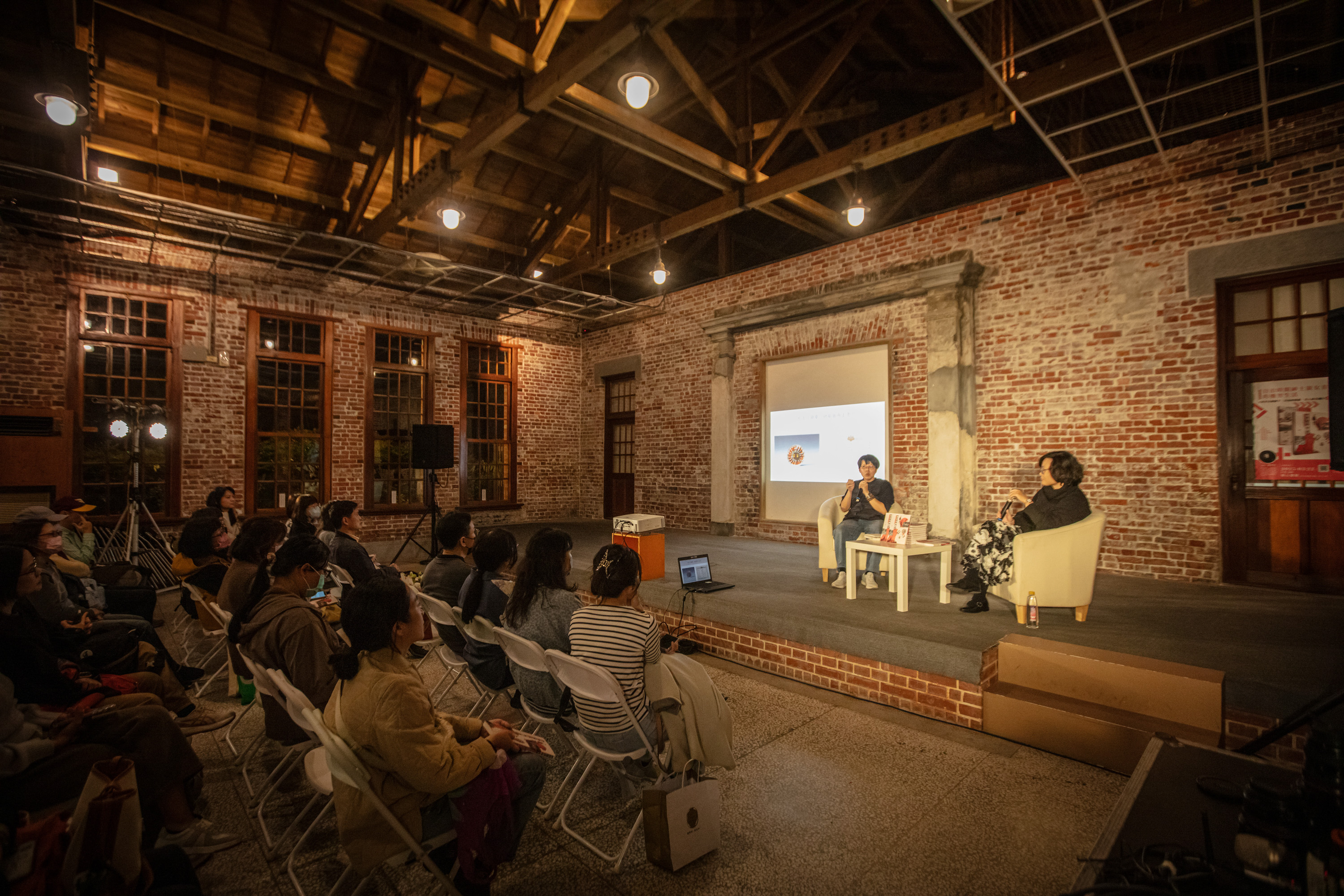
To mark its release, the Taipei City Archives hosted a launch event with the book’s two authors and senior scholars. Structured as a symposium on Japanese colonial-era documents, the event welcomed long-time archival enthusiasts and new readers to ask questions, join the discussion, and celebrate the book’s contribution.
Credits

Entrant Company
Agency of Rural Development and Soil and Water Conservation, MOA
Category
Publication - Book

Entrant Company
EWISE Marketing & Communications
Category
Integrated Marketing - Integrated Marketing Campaign

Entrant Company
University of California, Los Angeles - Extension
Category
Advertising - Online Ad (Single)